Dear Tree, I Am 7: The Annual Letter Your Kid Will Thank You for in Fifteen Years
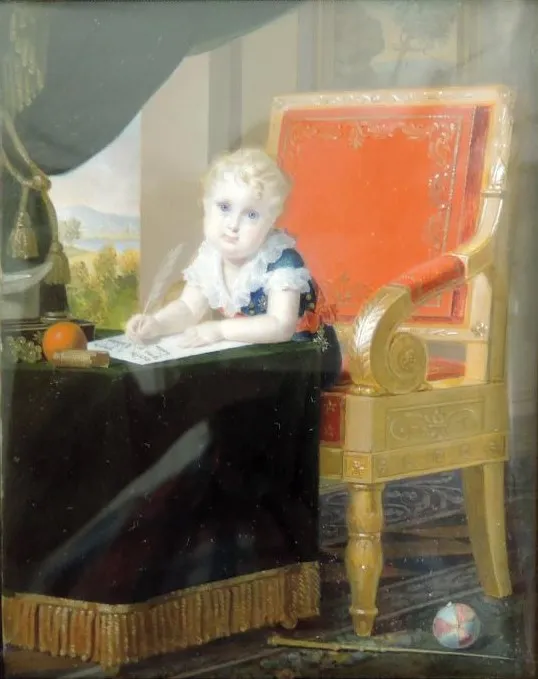
Photo: Aimée Thibault, Public domain, via Wikimedia Commons
There's a box in our garage that my mother gave us when we moved out of my childhood home. Inside: report cards, a few birthday cards, and a photo album with that distinctive 1990s orange tint. I love it. But you know what's not in it? My voice. Not a single page tells me what I worried about when I was eight, what I was proud of, or what I thought our backyard maple thought of me.
That's the gap the annual tree letter fills.
What the Ritual Actually Looks Like
Once a year — we do it the same weekend we rake leaves, but a birthday works just as well — each kid writes a short letter to "their" tree. Not about the tree, exactly. To it. Five sentences is plenty. Then the letters get sealed in a ziplock inside a weatherproof box lashed to the trunk, or filed in a binder if you'd rather not trust the elements.
The rule is simple: nobody reads them right away. The box stays shut until the kid is a teenager, or until they leave for college, or whenever your family decides the time capsule opens.
Total cost: paper, a pencil, ten minutes.
Why Letters Beat Photos
Here's the thing about photos — they capture the surface. You'll have nine thousand images of your child at the pumpkin patch, and every one of them shows the same smiling kid in a slightly different jacket.
A letter captures the interior. What my daughter wrote to our sugar maple last fall told me things no photo ever would: that she thinks the tree gets lonely in winter, that she lost her first tooth in October, and that she wants to be "a scientist or maybe a bus driver." That's a time capsule of a person, not a face.
And because the letters go to the tree, they sidestep the awkwardness of journaling. Kids who freeze at "write about your feelings" will happily report to a tree on their day, their growth, their grudges. The tree is a listener with no judgment and excellent posture.
Prompts for the Parent Who Doesn't Know Where to Start
If your kid stares at the blank page, offer one of these:
- "Tell the tree the best thing that happened to you this year."
- "Ask the tree a question. It can be anything."
- "Tell the tree something you can do now that you couldn't do last year."
- "What do you think the tree did all summer?"
- "What do you hope the tree gives you next year?" (Shade, acorns, a good climbing branch all count.)
For pre-writers, let them dictate while you transcribe, or have them draw a picture of the tree and add one word. The point is the annual mark, not the prose.
The Payoff Comes Later, and It's Worth It
The first few years, this ritual will feel small — maybe pointless. You'll wonder if you're just making work for future you.
But here's what happens: the letters stack up. And one day your fourteen-year-old, who currently communicates primarily in shrugs, opens the box and meets the six-year-old who wrote, in wobbling crayon, "Dear Tree, I hope you like my drawing of you. You are bigger than Dad."
That kid gets to watch themselves grow in a way no growth chart on a doorframe can show. Growth charts measure height. Letters measure self.
And honestly? Parents get something too. Rereading a stack of these is like getting a longitudinal study of your own child's inner life, one autumn at a time.
Start Small, Start This Year
Pick the tree. Any tree — the oak in the park you always visit, the messy Bradford pear in the yard, even the stubborn little crepe myrtle. Give each kid ownership of one. Buy a cheap weatherproof box or start a binder labeled "Tree Mail."
Then write the first letter together, this weekend. It takes ten minutes, and the return on those ten minutes compounds for decades.
Trees are patient. So are good traditions.