The Shoebox That Saves Saturday: Building a Rain Basket Your Kids Won't Get Tired Of
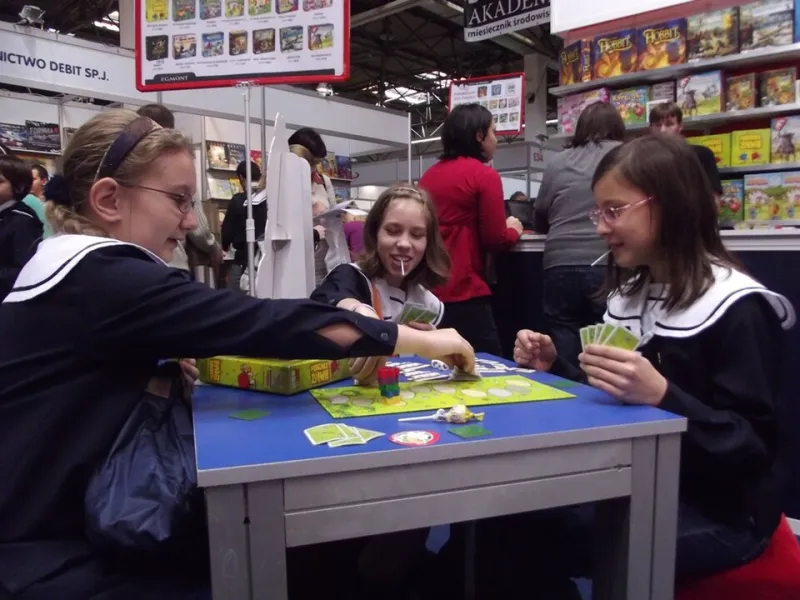
Photo: Piotr Drabik from Poland, CC BY 2.0, via Wikimedia Commons
Every parent knows the sound. It's not thunder. It's the small, flat voice from the couch: "I'm booooored." And outside, the rain keeps coming, the playground is a mud pit, and the TV remote is sitting there like a loaded weapon.
In Indonesia, where monsoon season can last for months, families don't treat a rainy afternoon as an emergency. They treat it as a given — and they plan for it the way we plan for the school run. Kids play card games under the covered porch. Grandmothers teach paper-folding. Somebody always has a deck of cards and a jar of candy.
You can borrow that mindset with one shoebox and about fifteen minutes of setup. Call it a rain basket. Here's how to build one that doesn't fall apart by February.
The Rule: Nothing in the Box Is Normal
The whole trick to a rain basket is scarcity. If your kids can grab the crayons any old Tuesday, crayons in the basket are boring. So the first rule is that the box only comes out when the weather (or a rainy-day mood) earns it.
That means the stuff inside has to be stuff they don't usually touch. Skip the art supplies you already own. Think dollar-store watercolor pads, a cheap deck of cards, pipe cleaners, a small puzzle, stickers that aren't currently living in your junk drawer. Novelty is the product. You're not buying toys — you're buying newness.
The Shopping List: Under Twenty Bucks, Easily
Here's a starter list from a big-box or dollar store that should run you about $18:
- Watercolor paint pad and one brush set — $3
- Deck of cards — $2
- Two packs of modeling clay or putty — $4
- Pipe cleaners and googly eyes — $3
- A small puzzle (24–48 pieces) — $3
- One "mystery" item your kid picks out themselves — $3
That last one matters. Let each kid choose one thing for the box, sight unseen rules optional. Ownership beats novelty almost every time.
The Swap Schedule: Why It Never Gets Old
Here's the part most parents miss. A rain basket dies when the contents go stale. So don't buy everything at once.
Buy a few extra items and stash them somewhere your kids can't find — the top of your closet, the trunk of the car, a labeled bin in the garage. Then, every four to six weeks, quietly remove two items and swap in two new ones. The removed items go back into rotation later, which means even the "old" stuff feels fresh again by spring.
Think of it like a rotation in a garden bed. Same soil, new growth. Your kids will genuinely gasp when they open the lid and find googly eyes where the puzzle used to be.
What Goes in the Box (and What Doesn't)
Good candidates:
- Anything with multiple uses (clay, cards, pipe cleaners)
- Anything that takes more than five minutes to finish
- Anything that doesn't need you to referee every second
Leave it out:
- Anything with tiny pieces if you've got a toddler in the mix
- Anything that requires a screen, even a small one
- Anything that makes noise you'll regret
One more tip from Indonesian households: rainy afternoons there often end with everyone in the same room doing different things. You don't have to entertain your kids directly. You just have to give them the raw material to be interesting near you.
Make It a Ritual, Not a Rescue
The real magic happens when the box becomes a tradition instead of a distraction. In many Indonesian homes, a rainy afternoon means the family gathers around, someone makes hot tea or fried bananas, and the games come out. The weather isn't the enemy — it's the invitation.
So when the sky opens up, make a small ceremony of it. Let one kid carry the box to the kitchen table. Let another pick the first activity. Put the kettle on. The rain outside becomes the soundtrack instead of the problem.
Before long, you might notice something strange: your kids start hoping for rain. And honestly, after the third Saturday of soccer practice and birthday parties and errands, a slow afternoon on the kitchen floor with pipe cleaners and a deck of cards might be exactly what the whole family needed anyway.