A Cup of Seeds, a Window, and Ten Minutes: The Cheapest Science Class Your Family Will Ever Run
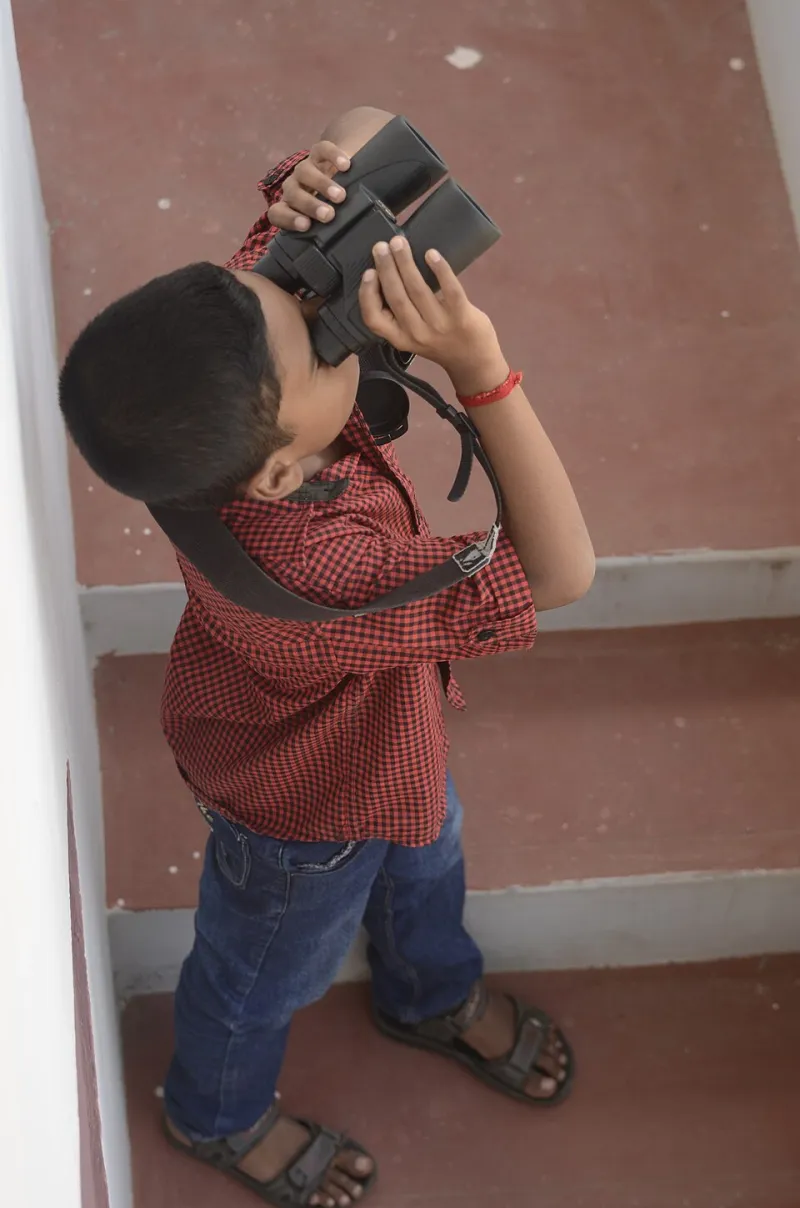
Photo: PJeganathan, CC BY-SA 4.0, via Wikimedia Commons
There's a moment that happens at our kitchen table almost every morning now. My four-year-old freezes mid-bite, points at the window, and whispers, "Mama. The red one.**"
No tablet, no show, no toy with batteries. Just a finch, a feeder, and a kid who has learned — entirely on her own — to stop what she's doing and pay attention.
If you've been looking for a screen-free ritual that actually sticks, this is my pitch: hang a bird feeder, fill it with seeds, and let your kids run the whole operation. It costs less than a takeout order, takes ten minutes a day, and quietly teaches more than most activities engineered to teach.
Start With a Feeder You Don't Have to Feel Precious About
Skip the research rabbit hole. A simple tube feeder or a basic suet cage mounted to a window or hung from a shepherd's hook works fine. What matters far more than the hardware is where it goes: somewhere your family already looks. Outside the breakfast nook beats the middle of the backyard every time, because kids engage with what's in their line of sight, not what requires a field trip.
Fill it with black-oil sunflower seed — the all-purpose crowd-pleaser of the backyard bird world — and expect a quiet first week. This waiting period is not a bug. It's the first lesson. Birds don't perform on demand, and that's exactly the point.
The Waiting Is the Curriculum
We're used to entertainment that responds instantly. A bird feeder does not. For the first several days, your kids might stare at an empty feeder and declare the whole project broken.
Then a chickadee shows up. One. For eleven seconds. And suddenly your child understands something no app can teach: some things are worth waiting for precisely because they don't belong to us.
Keep a simple ritual of it. Same time each morning, cups of milk, one kid holding the "official logbook" (a dollar-store notebook works). Even toddlers can scribble a drawing of who visited. Older kids can note the time, weather, and species — a real, honest-to-goodness dataset they built themselves.
Meet Your First Five Neighbors
You don't need to be a birder. You need exactly five birds, and these five show up in backyards across most of the US:
1. The Northern Cardinal — the unmistakable red one. Males are brilliant crimson; females are warm tan with red around the beak. Once your kids spot one, they'll claim cardinal-spotting rights forever.
2. The Black-capped Chickadee — tiny, bold, and named for its sound. Teach kids its call: chick-a-dee-dee-dee. It's often the bravest bird at the feeder and the first one to arrive.
3. The American Goldfinch — a bright yellow summer visitor that eats like a gymnast, hanging upside down on seed heads. Fun fact for the kids: they're strict vegetarians.
4. The Blue Jay — loud, gorgeous, and a bit of a bully. A great chance to talk about how every yard has a pecking order, even among birds.
5. The House Sparrow — the brown "background" bird kids will initially ignore, then learn to notice. Nothing teaches observation like realizing the plain birds have personalities too.
A laminated ID card taped to the window (or a free bird ID app used together, one time per sighting) is all the tools you need.
What Actually Grows Here
It's not really about the birds. It's about what a daily dose of wildness does to a small person:
- Patience. Things that are alive and free don't load instantly.
- Empathy with a conscience. Kids who feed birds start noticing weather, cold snaps, and empty feeders — the first stirrings of stewardship.
- Attention. Noticing that the jay always comes after the finches leave is genuine scientific thinking, invented by a six-year-old before breakfast.
One Small Rule
Let the kids own it. Refilling the feeder, keeping the log, deciding when it's empty — hand all of it over, even if the seed gets spilled. A ritual belongs to whoever shows up for it, and nothing keeps a kid showing up like a job that's genuinely theirs.
Kecil Pohon means "little tree," and the whole idea behind this site is that small, rooted things — a tree, a recipe, a feeder on a window — are what families actually grow around. Ten minutes a day, a cup of seeds, and a window with wings. That's the whole activity. And it might just be the one your kids remember.