Trees Don't Grow Faster Because You Yell at Them
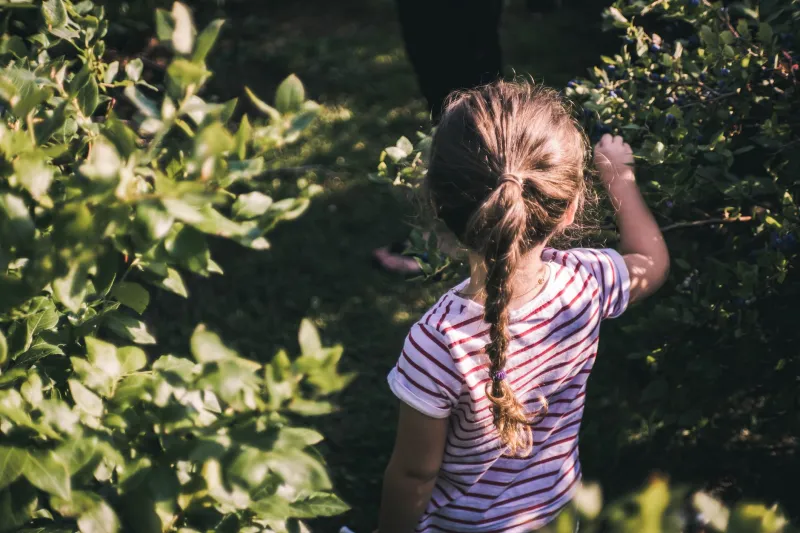
Last spring, I planted a small tree in our backyard with my six-year-old. She named it Gerald. For weeks she checked on it every morning, and every morning she came back a little disappointed. "Is it bigger yet?" she'd ask. "Is it taller than me yet?"
It wasn't. It barely moved. And one afternoon, exasperated, she stood in front of Gerald and ordered him to grow already.
I laughed. Then I felt a sting, because I recognized the voice. It was mine.
The Race We Didn't Sign Up For
If you're parenting in America right now, you know the soundtrack. Reading at four. Travel soccer at six. Enrichment apps for toddlers. The unspoken curriculum of our culture says that every month of childhood is a launch window, and if we miss it, our kids will spend their lives catching up.
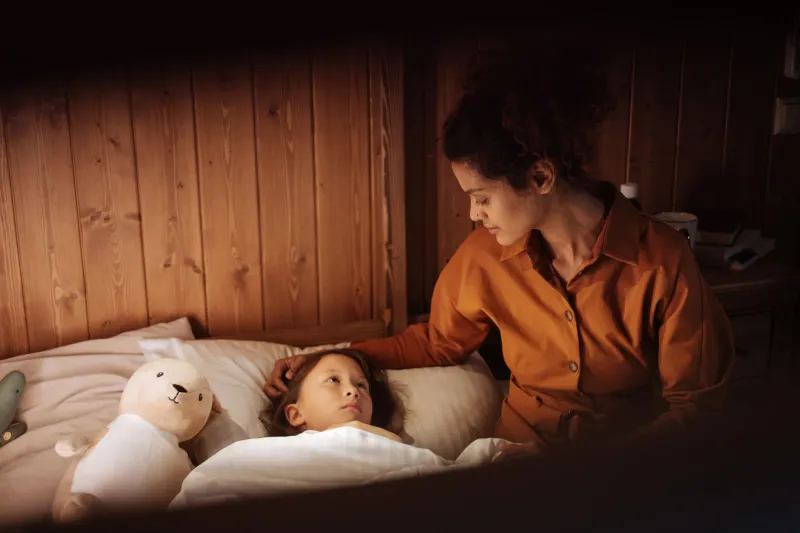
I drank some of that Kool-Aid. There was a stretch when every bedtime, I found myself narrating the next milestone to my daughter like a coach reviewing game film. You're doing great, but here's what's next. Here's what's after that.
Then I looked at Gerald, stubbornly indifferent to my daughter's demands, doing exactly what a tree does — and it hit me that trees don't grow faster because we urge them to. They grow because the conditions are right. Sun. Water. Patience. Time.
Kids are not so different.
What the Research Actually Says
Here's the thing about child development: it has its own timeline, and it's not negotiable. The research on early childhood is remarkably consistent on this point. Brains build skills in sequence, through play, repetition, and low-pressure exploration — not through acceleration. Studies on academic redshirting, early pressure, and structured overscheduling repeatedly find the same pattern: pushing developmental milestones earlier rarely produces lasting advantage, while unstructured play reliably builds the executive function, creativity, and emotional regulation kids will actually need at twenty-five.
Harvard's Center on the Developing Child has spent decades showing that the strongest predictor of long-term thriving isn't early achievement — it's stable, responsive relationships. In other words, the sun and water. Not the fertilizer schedule.
My daughter wasn't behind in anything. She was just being six. The deficit was in my expectations, not her development.
What Slowing Down Actually Looks Like
I want to be honest: I haven't fully quit. The reflex to optimize is stitched deep into parents of my generation. But I've stopped rushing the growing, and our house is calmer for it. Here's what changed.
1. I stopped narrating the future at bedtime. Bedtime used to be my window for gentle coaching. Now it's just stories and silliness. The future will get its turn; it doesn't need the last nine minutes of the day.
2. I protected one unscheduled weekend block. One three-hour stretch, every week, with nothing planned. The first two weekends, my kids whined that they were bored. By the third, they'd built a 'store' out of couch cushions and were charging each other pretend rent. That store taught them more than any enrichment app I've paid for.
3. I started asking 'what are you noticing?' instead of 'what did you learn?' It's a small swap, but it changed the energy. Learning-questions turn every outing into a quiz. Noticing-questions turn them into wonder. Wonder is what roots look like in childhood.
Let the Roots Do Their Work
Gerald is about a foot taller now. My daughter measured herself against him last week and announced, with enormous satisfaction, that she's still taller — but not for long.
She's right. Not for long. He'll outpace her one day, the way children outpace every worry we project onto them. But neither of them got there by being hurried. They got there by being tended.
That's the quiet promise behind our name, Kecil Pohon — 'little tree.' Little trees don't need to be pushed. They need to be planted well, watered often, and left alone to do the slow, miraculous work of becoming.
So does she. So do they all.